


At Harry’s, our restaurant at The Gallivant, seasonality isn’t a seasonal menu insert that gets swapped out four times a year. It’s closer to a daily conversation between the kitchen and the coast outside the window. Here’s what that actually looks like.
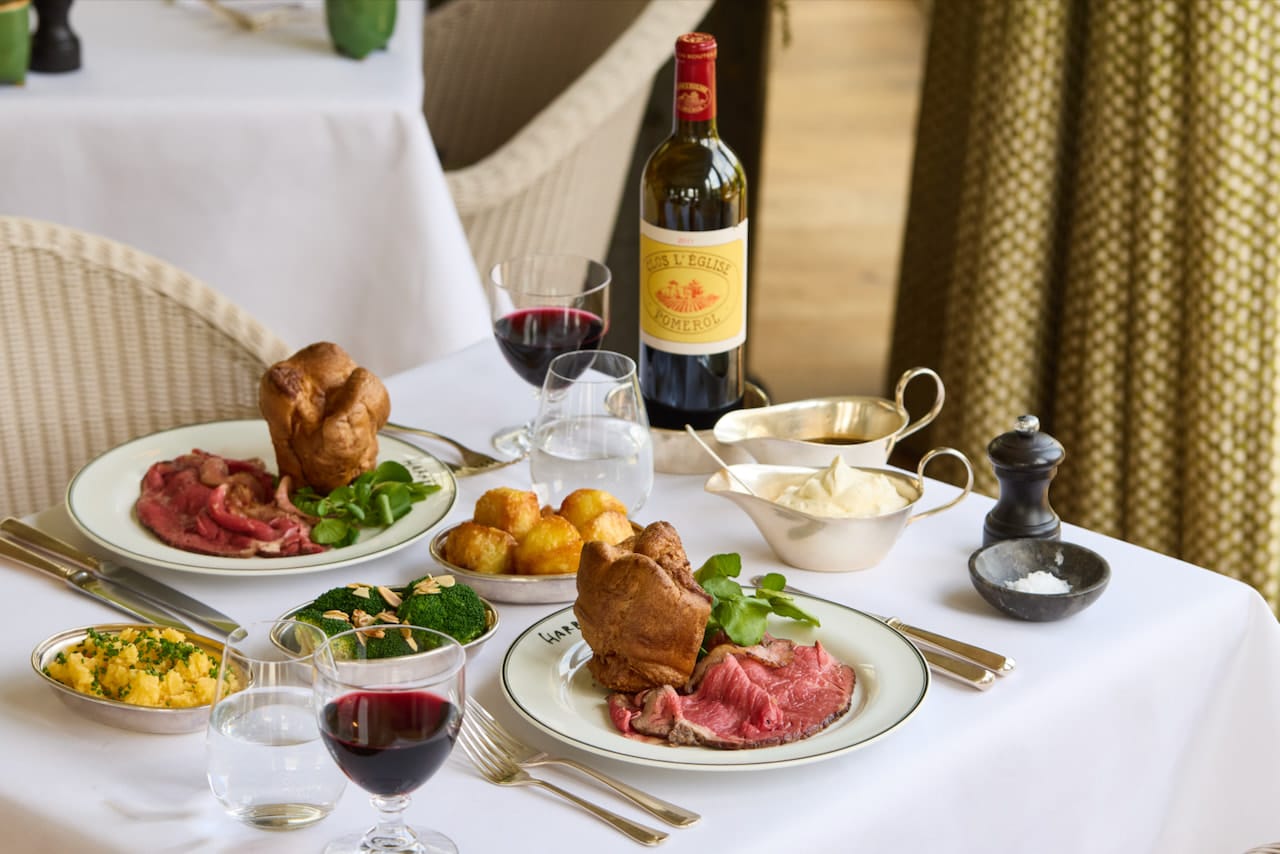
It’s a word that gets used loosely, so let’s be precise about it. Seasonal cooking, done properly, means building a menu around what’s genuinely ready now, not what’s available year-round thanks to refrigerated freight and greenhouse growing.
Why does it matter beyond flavour?
Cooking seasonally only works if you know the people growing and catching the food. This is where farm-to-table East Sussex Coast stops being a phrase on a menu and becomes a genuine set of relationships, the kind built over years, not sourced from a directory.
If a supplier has an exceptional crop of something one week, that’s what appears on the specials board. If the sea’s been rough and the boats haven’t been out, the fish course changes accordingly. Many guests tell us this is part of what makes dinner at Harry’s feel different.
Harry’s menus change monthly in tune with the seasons, not just four times a year, but as a continual, gentle evolution. A few things you might recognise as the year turns:
You’ll notice breakfast, lunch and dinner all follow this same rhythm. Even something as simple as an omelette aux fines herbes shifts subtly with what the herb garden is offering that week.
Camber Sands and the wider Rye coast have long supported day-boat fishing small vessels that go out and come back within hours, landing catch that’s about as fresh as it’s possible to get.
That immediacy shows up directly in Harry’s kitchen. A sustainable restaurant’s approach means asking what’s been landed today, not what’s been ordered in advance from a catalogue.
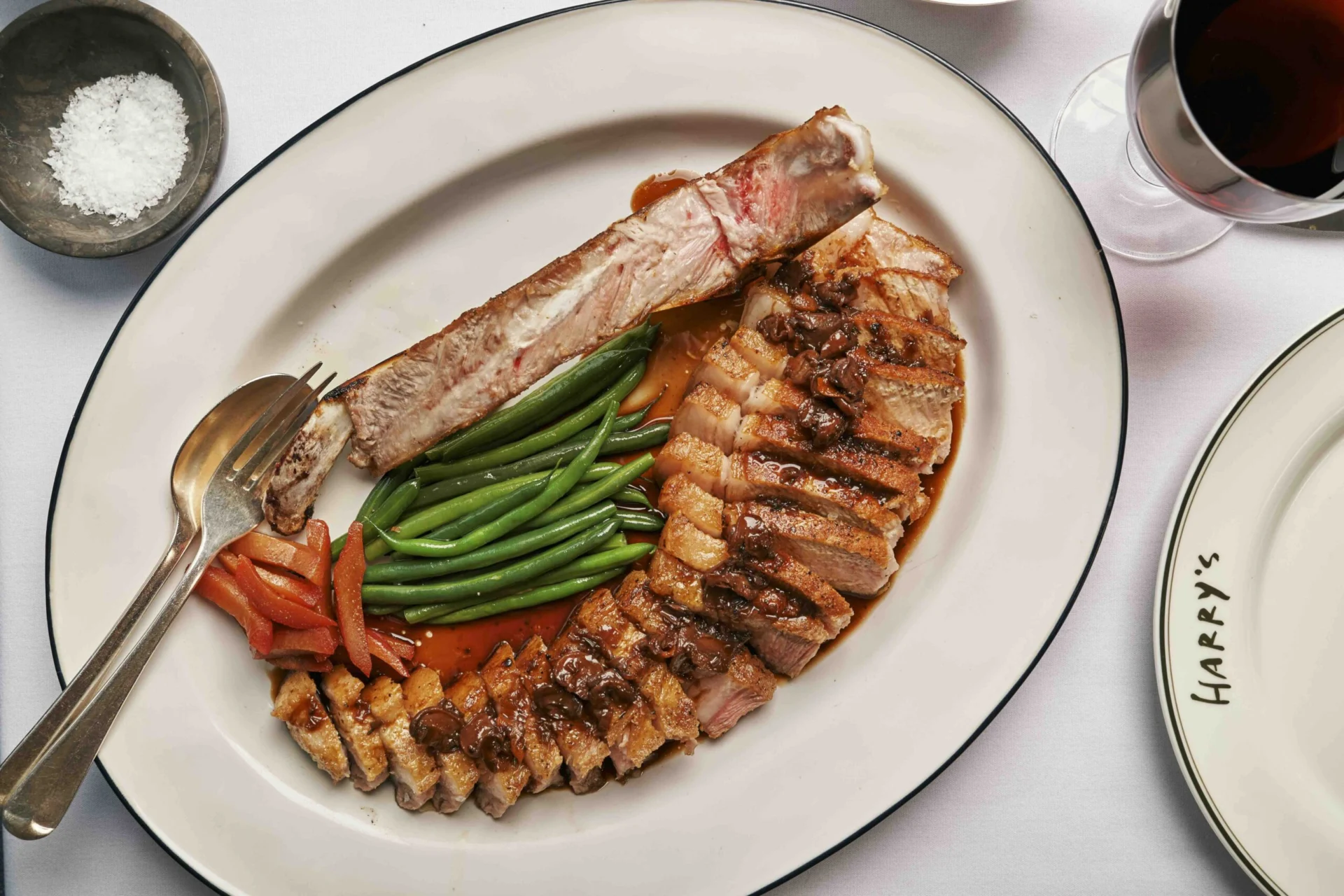
You’ll find it in dishes like hand-sliced gravlax, a crisp-skinned fillet with squid ink sauce, or a generous seafood platter with whole crab, half a lobster, and oysters served simply, with little more than a squeeze of lemon.
Imagine sitting down at Harry’s as the light comes low through the windows, plate in front of you built from what a fisherman brought in that morning and what a nearby farm picked that week. That’s the whole idea, really: a menu shaped by the coast rather than imposed on it.
If that sounds like your kind of evening, we’d love to have you. Book a table at Harry’s Restaurant, or better still, make a proper night of it and stay with us; there’s a particular pleasure in walking back to your room along the dunes after dinner rather than driving home.
Happiness, as we like to say, is a place. Sometimes it’s also a plate.