


Making happiness a place: Elise Roberts on running The Gallivant
Spend any time with her and one quality stands out. She is warm, calm and unfailingly polite, and seems to have everything quietly under control however full the day, giving you her full attention without once making you feel you are taking up her time. We wanted to understand how she thinks about running a hotel built, quite deliberately, around the idea that happiness is a place.
You started out in some of London’s biggest hotels. How did you end up behind the dunes at Camber Sands?
I started in London, including Grosvenor House. I hadn’t planned on hospitality at all, but during a university placement I found myself at Le Méridien and fell for the energy of hotels, all the work that goes on behind the scenes to make something feel effortless for a guest. The big hotels gave me a wonderful grounding: consistency, attention to detail, service at scale. But the longer I did it, the more I wanted to go the other way. Rather than move into bigger hotels, I deliberately went smaller. My first independent hotel was the turning point. There was no head office to solve every problem, so if something needed fixing, you simply got on and did it. It taught me to understand every part of the business, and how rewarding small hotel life can be. With twenty bedrooms here, we can do the kind of hospitality that made me fall for all this in the first place.
The hotel’s line is “Happiness is a Place.” Is that branding, or something you actually run the place by?
It’s much more than branding. Harry came up with it during lockdown, when the world had almost stopped and we were all wondering what people would want when they travelled again. His answer was simple. More than ever, people would look for places that made them feel good, where they could slow down and leave happier than when they arrived. For me it always starts with the team. You can’t create happiness for guests if the people looking after them don’t enjoy being here. When we recruit, experience matters, but I’m just as interested in the person. One of my favourite interview questions is simply, “What makes you happy?” It tells you far more than asking where someone sees themselves in five years. Guests often ask what the secret ingredient is, and the honest answer is there isn’t one. It’s the small things: remembering that you’d rather do your yoga quietly on your own, so the mat is already waiting. None of it costs much, but it tells people they’ve been seen. That only works because the team are trusted to listen and use their judgement. You can’t manufacture happiness. What you can do is build a place where good people enjoy looking after other people, and the rest tends to follow.
So who is The Gallivant for?
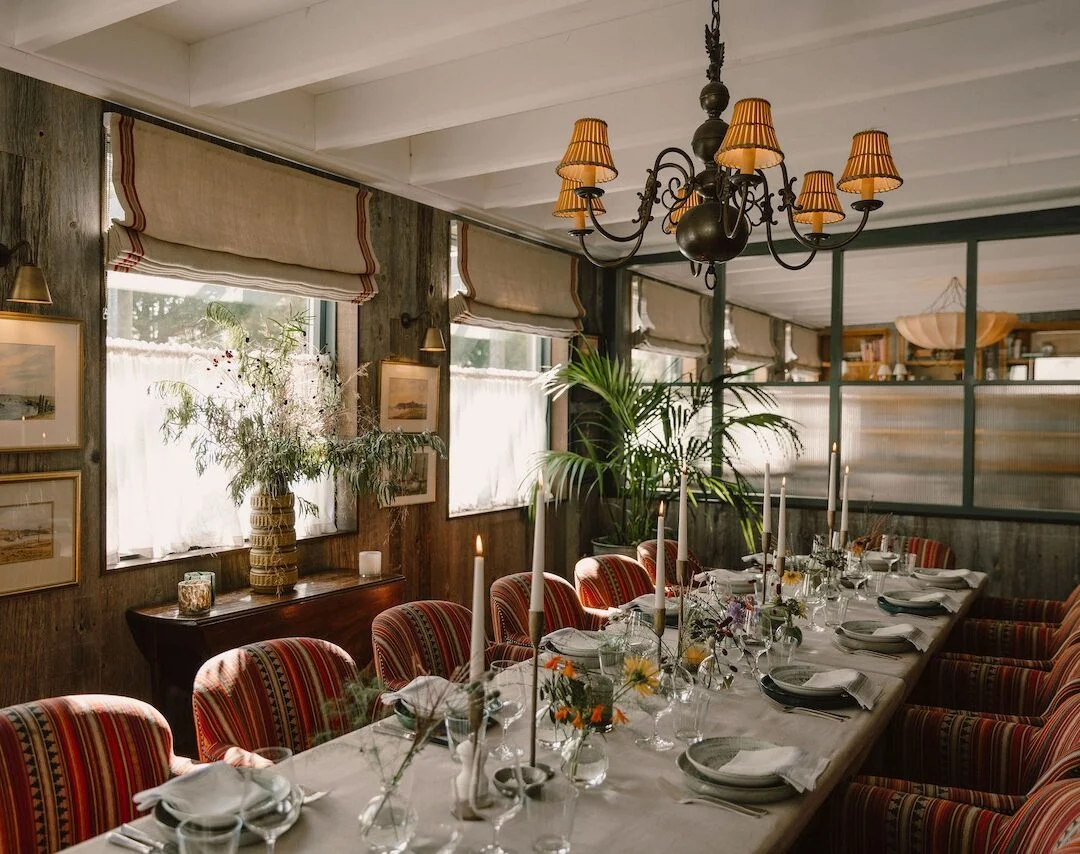
Honestly, I don’t think there’s one answer. One weekend it’s a couple in their twenties on their first trip away together, out on Camber Sands and discovering Rye. A few days later it’s a couple in their seventies who’ve stayed so often it feels like coming home. On paper they couldn’t be more different, but they want the same thing: somewhere to properly switch off, and to feel looked after without anything feeling formal. Harry and Sigrid never wanted a conventional hotel. They wanted it to feel like arriving at a good friend’s beach house, a rather lovely one, but relaxed and full of personality. It’s why so many people take the whole place over for a wedding or a big birthday. The Gallivant becomes their beach house, and we just have the privilege of looking after it while they’re here.
You’ve said you knew almost nothing about English wine when you arrived.
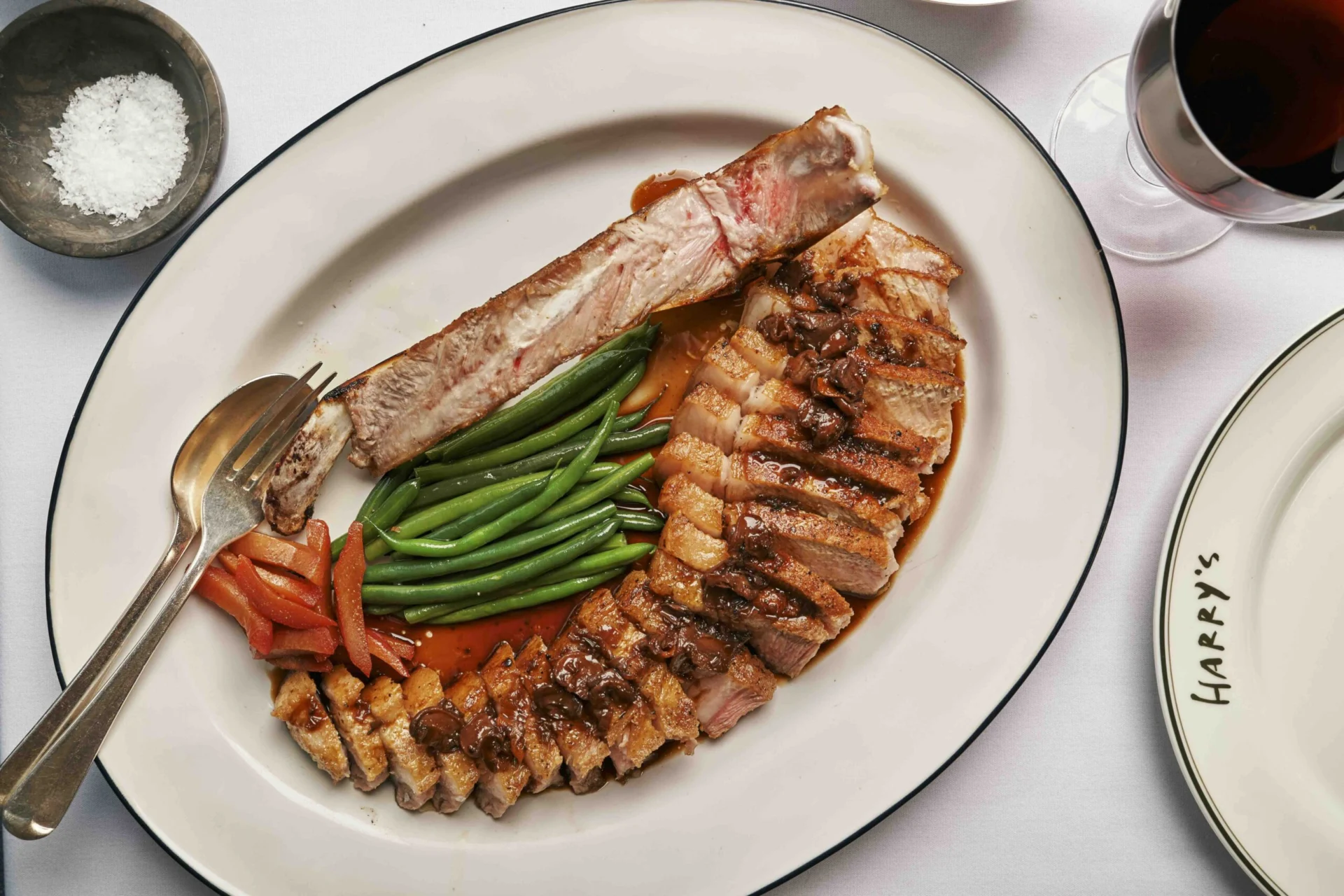
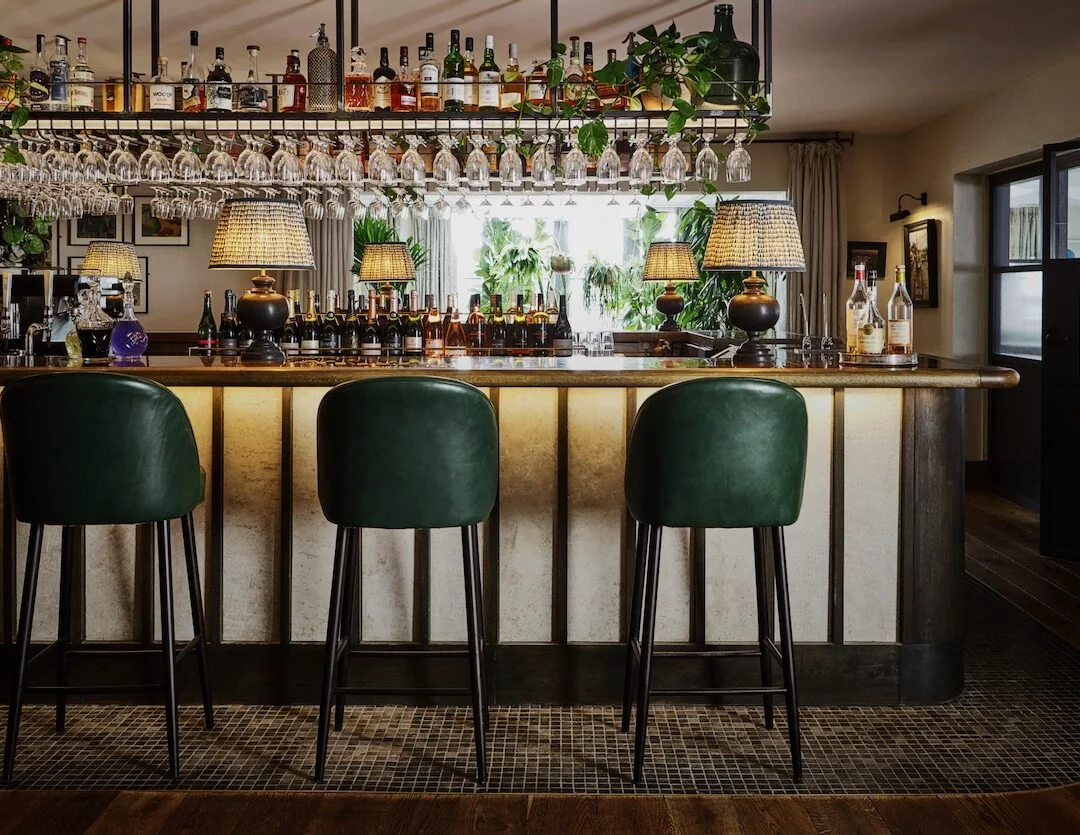
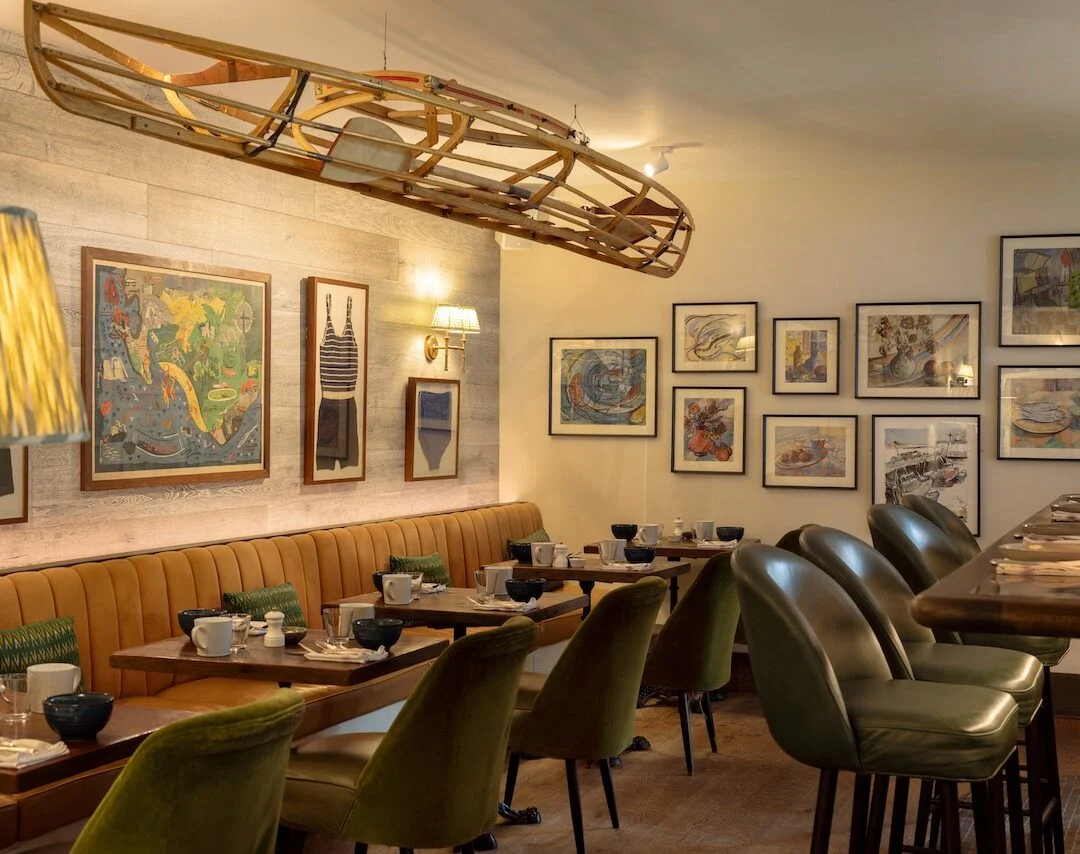
Nothing at all. Then, during my first autumn here, Harry put on a harvest supper and invited the local winemakers. I ended up next to Charlie Holland from Gusbourne, tasting an English Pinot Noir and thinking, hang on, we can make wine like this in England? It was a genuine lightbulb moment, and I’ve been slightly obsessed ever since. Whether it’s Gusbourne or Oxney or one of the other vineyards nearby, I’ve loved getting to know the people as much as the bottles. We try to pass that on. Every afternoon we gather everyone for Cake at Four, and at five it’s English Wine at Five, when we open a different bottle and celebrate another local producer. For a lot of guests it’s their first taste of English wine, and watching them realise how good it is never gets old. The same runs through Harry’s at Camber Sands. Matthew Harris and his team cook beautifully, but without fuss. It’s generous, comforting food, and like the hotel, it’s less about showing off than about making you feel at ease.
If you could send a visitor just one place beyond the hotel, where would it be?
Hastings Old Town. Walk up the East Hill, wander down to the fishing huts, buy a few oysters, open a bottle of local wine and sit looking out to sea. The simplest moments are the ones you remember longest.
And when you’re not working?
Outside, usually. I garden, though my tomatoes seem to need constant supervision, and I paddleboard whenever the weather allows. I’m a little obsessed with Great Dixter, I can lose hours in the gardens and always come away with an idea. It’s how I switch off completely.
There’s a second hotel on the way.
There is. We’ve recently brought in a wonderful Hotel Manager to lead the day to day at Camber Sands, which means I can spend more time with Harry and Sigrid on The Gallivant Littlestone, opening next summer. The setting is unlike anywhere else on this coast: the hotel looks straight out to sea, with the Littlestone Golf Course on the other side. One of my favourite times to be there is a wild winter’s day, by the fire with a book, watching the weather come in off the water. Sigrid has spent the last few years designing it around the building’s 1920s and 30s heritage. It will carry a familiar Gallivant warmth, but its own character too. We never want to become formulaic. I’d love this to be the beginning rather than the end.
We finish where these conversations always do. If you had a completely free day here, how would you spend it, and what would you order at Harry’s?
That’s an easy one. I’d start early at Dungeness, wander round Derek Jarman’s garden and stop for something from one of the seafood spots. Then on to Gusbourne and Oxney, because time with the people who make the wine is my favourite kind of afternoon. I’d be back for Wine at Five, glass in hand out on the dunes as the sun drops behind the grasses. At Harry’s, we’d begin with a Gallivant x Gusbourne Brut Réserve, Maldon oysters with sauce mignonette and the cervelle de canut with warm bread. Then escargots de Bourgogne and half a Hastings blue lobster, and to share, the côte de boeuf with green peppercorn sauce and plenty of pommes frites. It’s exactly the sort of meal you want to sit over with a good bottle. Pudding depends on the season, the Kentish strawberries if they’re on, otherwise the St Emilion au chocolat, because I can’t say no to chocolate. The next morning I’d be up early for a swim in the sea, then a long breakfast, and I wouldn’t leave without stopping in Rye to browse the shops. I never seem to come home empty-handed.